
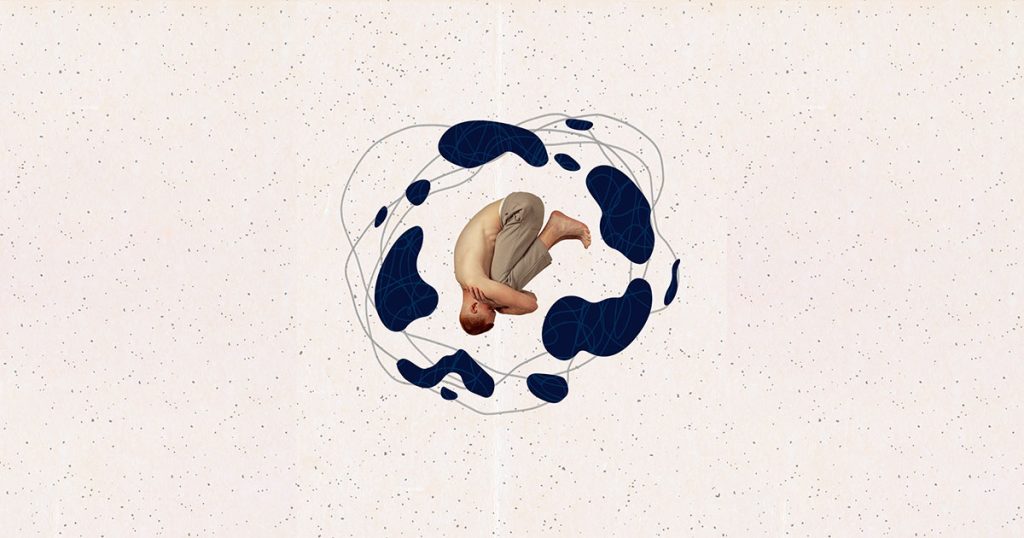
Bipolar disorder is a complex mental health condition that significantly impacts mood, energy levels, and everyday functioning. People with bipolar disorder can experience extreme emotional highs (mania or hypomania) and lows (depression), leading to challenges in various aspects of life, including relationships, work, and overall well-being.
A multifaceted relationship exists between bipolar disorder and social isolation, which can exacerbate the difficulties faced by individuals living with this condition.
Understanding Bipolar Disorder
Defining Bipolar Disorder
Bipolar disorder, previously known as manic-depressive illness, is a mental health condition characterized by significant mood swings. These swings can range from manic episodes, where individuals feel elated, energetic, and sometimes irritable, to depressive episodes that can lead to feelings of hopelessness and lethargy. The distinct phases are critical for accurate diagnosis and treatment.
Understanding these phases is crucial, as they can affect not only the individual but also their relationships, work, and overall quality of life. The condition often emerges in late adolescence or early adulthood, but it can develop at any age, making early recognition and intervention important for better management.
Symptoms and Diagnosis
The symptoms of bipolar disorder vary depending on the type and phase of the condition. During manic episodes, symptoms may include increased energy, reduced need for sleep, racing thoughts, and impulsive behavior. On the other hand, depressive episodes encompass feelings of sadness, fatigue, lack of interest in daily activities, and suicidal thoughts.
Diagnosis typically involves a comprehensive evaluation by a mental health professional or psychiatrist who considers the individual’s medical history and symptom patterns. It’s also key to note that bipolar disorder can co-occur with other mental health conditions, such as anxiety disorders or substance abuse issues, complicating the diagnosis and treatment process.
This highlights the necessity for a thorough assessment that takes into account the full spectrum of an individual’s mental health.
Common Misconceptions
There are several misconceptions surrounding bipolar disorder. Many people mistakenly believe that it is merely an “emotional label” or that individuals with the disorder can simply “snap out of it.” These misconceptions can lead to stigma, misunderstanding, and inadequate support for those affected. Education and awareness are vital to breaking down these barriers and promoting compassionate understanding towards individuals with bipolar disorder.
The portrayal of bipolar disorder in media often lacks accuracy, leading to sensationalized views that can perpetuate stereotypes. By fostering open discussions and sharing personal stories, we can create a more informed society that recognizes the complexities of bipolar disorder and supports those who live with it.
The Link Between Bipolar Disorder and Isolation
The Role of Social Isolation in Bipolar Disorder
Social isolation can frequently arise during depressive episodes, as individuals may withdraw from friends, family, and activities they once enjoyed. Feelings of guilt and shame may also contribute to this withdrawal, creating a vicious cycle where isolation prevents recovery, leading to deeper depressive states.
This withdrawal can manifest in various ways, such as neglecting personal relationships or failing to engage in hobbies that once brought joy. The longer an individual remains isolated, the more challenging it becomes to reconnect, as they may feel that they have drifted too far away from their social circles.
How Bipolar Disorder Can Lead to Self-Isolation
Bipolar disorder can instill feelings of unpredictability in relationships. The fear of burdening others during manic phases or the insurmountable weight of depression leads many to isolate themselves consciously. People may avoid social situations that could expose them to judgment or misunderstanding.
As a result, isolation can become a protective mechanism, inadvertently reinforcing loneliness and despair. The stigma surrounding mental health issues can exacerbate feelings of isolation; individuals may feel that their experiences are not understood or validated by those around them, further deepening their sense of alienation. This disconnect can lead to a lack of support, making it even more difficult for individuals to seek help or engage with the world around them.
The impact of isolation extends beyond emotional well-being; it can also affect physical health. Studies have shown that individuals with bipolar disorder who experience prolonged isolation may face increased risks of chronic health conditions, such as cardiovascular disease or obesity, due to sedentary lifestyles and poor self-care. The interplay of mental and physical health highlights the importance of addressing isolation not just as a symptom of bipolar disorder, but as a significant factor that can hinder overall recovery and well-being.
Finding ways to break the cycle of isolation, whether through therapy, support groups, or community activities, becomes essential for fostering resilience and promoting a healthier lifestyle.
The Impact of Isolation on Mental Health
Psychological Effects of Isolation
The psychological effects of isolation can be detrimental. Isolation can exacerbate symptoms of bipolar disorder, leading to an increase in anxiety, depression, and feelings of hopelessness. It can create a distorted self-image and instill a sense of worthlessness.
Loneliness is often associated with a lack of purpose, which can severely affect motivation toward seeking treatment or engaging in positive activities. The absence of social interactions can lead to cognitive decline, as the brain thrives on stimulation and engagement with others. The lack of conversation and shared experiences can dull cognitive functions, making it even more challenging for individuals to cope with their mental health conditions.
Physical Health Consequences of Isolation
The physical health consequences of social isolation should not be overlooked. Studies have shown that individuals who experience prolonged social isolation may be at risk of developing various health issues, including cardiovascular diseases, weakened immunity, and obesity. This cycle of physical and mental health deterioration further complicates an individual’s ability to manage bipolar disorder effectively.
The stress associated with isolation can lead to elevated levels of cortisol, the body’s primary stress hormone, which can have a cascading effect on overall health. Chronic stress may contribute to inflammation, further increasing the risk of serious health conditions such as diabetes and hypertension.
This interplay between mental and physical health highlights the urgent need for comprehensive support systems that address both aspects simultaneously, ensuring that individuals with bipolar disorder receive the holistic care they require to thrive.
Coping Strategies for Bipolar Disorder and Isolation
Therapeutic Approaches
Therapy plays a crucial role in managing bipolar disorder. Cognitive-behavioral therapy (CBT) is especially useful, helping individuals recognize and change negative thought patterns linked to their symptoms. Medication, including mood stabilizers, can also provide stabilization for those experiencing extreme mood swings. Pairing therapy with medication can create a robust support system for managing the disorder.
Dialectical behavior therapy (DBT) has emerged as a beneficial approach for many, focusing on emotional regulation and interpersonal effectiveness. This therapy emphasizes mindfulness and distress tolerance, equipping individuals with practical skills to navigate their emotional landscape more effectively.
Ketamine Infusion Therapy
A newer therapeutic option, ketamine infusion therapy offers a novel approach, providing quick relief from depressive episodes that often accompany this condition. Unlike conventional antidepressants, which can take weeks to work, ketamine can deliver noticeable improvements in mood and emotional stability within hours. By targeting glutamate receptors in the brain, ketamine promotes changes in neural pathways that help regulate mood.
Patients frequently report feeling more balanced and resilient after just a few treatments, allowing them to engage more effectively in other therapeutic interventions. As research continues to support its efficacy, ketamine infusion therapy is becoming an increasingly vital option for those struggling with bipolar disorder.
Building and Maintaining Social Connections
Making a conscious effort to establish and maintain social connections is vital. This could include reaching out to friends or family members, joining support groups where individuals share similar experiences, or engaging in community activities. Regular check-ins with loved ones can foster a sense of belonging and alleviate feelings of loneliness.
Participating in group activities, such as art classes or sports, can create opportunities for social interaction while also serving as a creative outlet. Volunteering for local organizations not only helps build connections but also instills a sense of purpose, which can be particularly beneficial for those grappling with feelings of isolation.
Engaging with others in a meaningful way can significantly enhance one’s emotional resilience and provide a buffer against the challenges posed by bipolar disorder.
The Role of Support Systems in Managing Bipolar Disorder
Importance of Family and Friends
Support from family and friends can drastically enhance an individual’s coping abilities. Understanding and empathetic loved ones can provide emotional support, encouragement, and practical help during difficult times. They can also assist in recognizing early signs of mood changes, prompting timely intervention.
Professional Support and Mental Health Services
In addition to personal connections, professional support is essential. Engaging with therapists, counselors, or psychiatrists ensures that individuals have access to treatment options and resources tailored to their specific needs. Mental health services can include individual therapy, group therapy, and medication management, all pivotal for long-term recovery and preventing isolation.
Parting Words
Recognizing the intricate relationship between bipolar disorder and isolation is crucial for both understanding the condition and developing effective coping strategies. By leveraging personal connections and professional expertise, individuals with bipolar disorder can navigate the challenges of isolation and improve their overall quality of life.
Take Control of Your Bipolar Disorder Symptoms in Tyler, Texas
Are you or someone you love struggling with bipolar disorder and its isolating effects? At The Infusionist in Tyler, Texas, we provide cutting-edge treatments that help individuals reclaim their lives and reconnect with the world. Don’t let mental health challenges hold you back any longer. Reach out to our team and take the first step toward a brighter future today!